A kitchen can be a funny little place. One minute you’re calmly following a recipe, and the next you’re staring at 8 fl oz of milk wondering whether that means one full cup or something slightly different.
It happens to almost everyone, especially when recipes use different cooking measurements or when a measuring jug shows ounces while the recipe asks for cups. A tiny measurement question can suddenly become the most important thing on the counter.
That is exactly where an fl oz to cups converter becomes useful. Instead of reaching for a calculator, searching through an old cookbook,
or guessing and hoping the pancakes still turn out edible, you can convert fluid ounces (fl oz) into cups almost instantly. The basic US conversion is pleasantly simple: 8 fl oz = 1 cup. From there, most everyday conversions are just a little bit of division.
Whether you’re preparing a sauce, adjusting a pancake recipe, measuring milk for coffee, or checking serving sizes, understanding this conversion makes liquid measurement much less confusing. And yes, once you get the trick, you’ll wonder why ounces and cups ever seemed like they were speaking different languages.
| Step | How to Use fl oz to Cups Converter |
|---|---|
| 1 | Enter the amount of fluid ounces (fl oz) you want to convert. |
| 2 | The converter uses 1 fl oz = 0.125 cups as the default conversion. |
| 3 | Enter the number of cups if you want to convert cups into fluid ounces. |
| 4 | The tool instantly calculates the converted amount for you. |
| 5 | Use the result for recipes, cooking measurements, and liquid conversions. |
What Is an fl oz to Cups Converter?
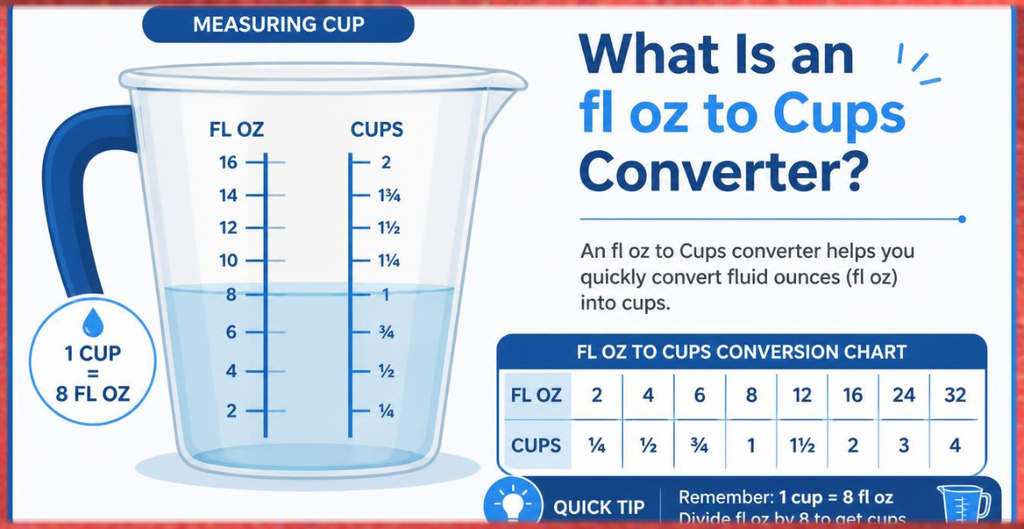
An fl oz to cups converter is a simple conversion calculator that changes a quantity measured in fluid ounces into an equivalent amount in cups. It is designed for liquid measurement, so it is particularly useful for water, milk, juice, broth, oil and other liquids used in recipes.
The important thing is that a fluid ounce measures volume, not weight. So when you see fluid ounces to cups, you’re dealing with the amount of space a liquid occupies. This is different from ounces used as a unit of weight, which can create confusion if you’re new to kitchen measurement conversion.
For standard US cup measurement, the basic relationship is 1 cup = 8 fl oz. So if a recipe asks for 16 fluid ounces, you don’t need to perform some heroic mathematical operation. You simply divide 16 by 8 and get 2 cups.
How to Use fl oz to Cups Converter?
Using a fluid ounces to cups converter is usually as easy as entering the number of fluid ounces and selecting cups as the desired unit. The calculator then provides the converted cup volume immediately, which saves a surprising amount of time when you’re cooking.
For example, suppose your recipe calls for 12 fl oz of milk. Enter 12 into the fluid-ounce field, and the converter gives you 1.5 cups. That’s it. No complicated formula, no kitchen drama.
The process normally looks like this:
- Enter the amount of fluid ounces (fl oz).
- Select cups as the target measurement.
- Let the conversion calculator perform the calculation.
- Read the result in cups.
- Use the converted amount in your recipe or other liquid measurement task.
If you’re working with a recipe that gives several quantities, a conversion table or fluid ounces conversion chart can be even faster because you can scan for common values rather than converting each one individually.
How to Convert fl oz to Cups Manually
You don’t actually need a calculator every time. The standard formula for oz to cups conversion is wonderfully short:
Cups = Fluid ounces ÷ 8
So, to learn how to convert fl oz to cups, simply take the number of fluid ounces and divide it by 8.
For example:
16 fl oz ÷ 8 = 2 cups
Another example:
6 fl oz ÷ 8 = 0.75 cup
And if you’re wondering about 1 oz to cups, the answer is 0.125 cups.
This method works for standard US liquid measurements where 8 fluid ounces = 1 cup. It’s the little formula worth remembering if you frequently work with recipes.
Quick fl oz to Cups Conversion Chart
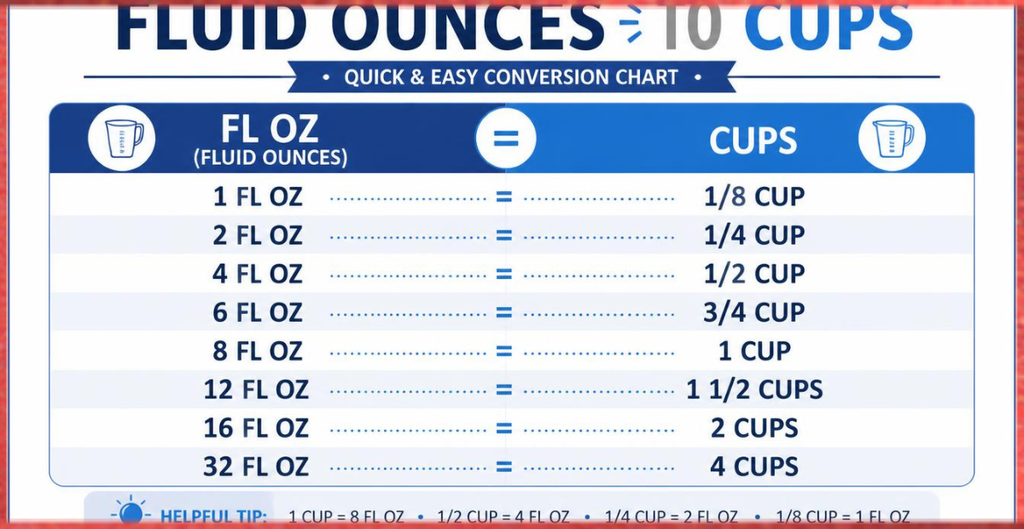
A quick conversion chart is handy when you’re cooking with messy hands and don’t particularly fancy doing arithmetic over a bowl of pancake batter.
| Fluid Ounces | Cups |
|---|---|
| 1 fl oz | 0.125 cup |
| 2 fl oz | 0.25 cup |
| 3 fl oz | 0.375 cup |
| 4 fl oz | 0.5 cup |
| 5 fl oz | 0.625 cup |
| 6 fl oz | 0.75 cup |
| 8 fl oz | 1 cup |
| 10 fl oz | 1.25 cups |
| 12 fl oz | 1.5 cups |
| 16 fl oz | 2 cups |
| 20 fl oz | 2.5 cups |
| 24 fl oz | 3 cups |
| 40 fl oz | 5 cups |
These values are based on the standard relationship between US cup measurement and fluid ounces. For ordinary recipe work, this is generally the conversion people mean when they ask how many fl oz in a cup.
How Many fl oz in a Cup?
The short answer is 8 fl oz in 1 US customary cup. This is the number you’ll most often need when working with American recipes.
So:
1 cup = 8 fl oz
2 cups = 16 fl oz
3 cups = 24 fl oz
5 cups = 40 fl oz
If you remember only one thing from this article, remember the eight. It does a lot of heavy lifting in the kitchen.
There can, however, be a little confusion because not every type of cup has exactly the same volume. A Legal cup, Customary cup, Metric cup, United Kingdom cup, and Japanese cup can represent different quantities.
How Many Ounces Are in a Cup?
When someone asks how many ounces are in a cup, it’s important to ask whether they mean fluid ounces or weight ounces. For liquid measurement, a US customary cup contains 8 fluid ounces.
But weight is a different story. A cup of flour does not weigh the same as a cup of water because different ingredients have different densities. That’s why replacing a volume measurement with a weight measurement without checking the ingredient can lead to a rather unfortunate cake.
For liquids, however, 1 cup = 8 fl oz is the familiar US conversion.
Common fl oz to Cups Examples
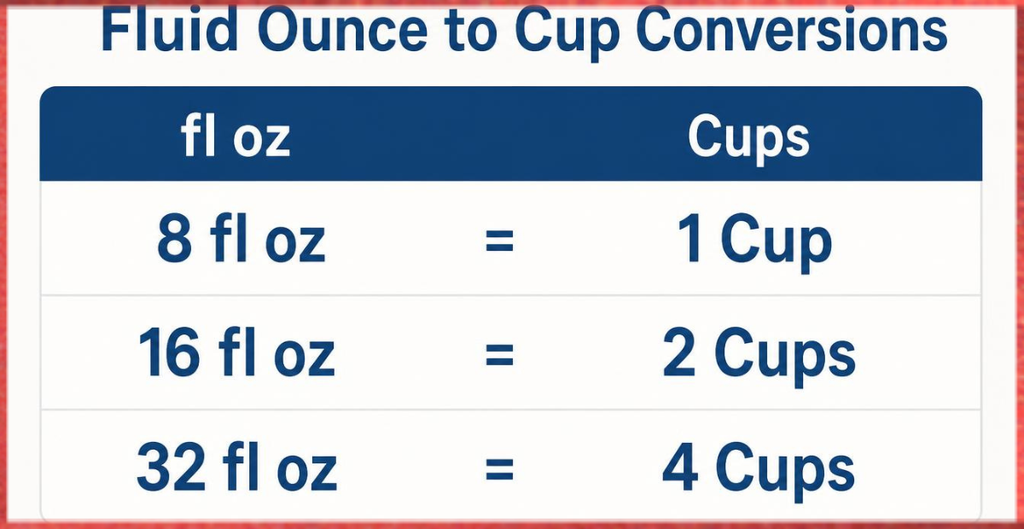
Real recipes rarely stop at perfectly round numbers, which is why examples are useful.
1 oz to cups
1 fl oz = 0.125 cups. This is one-eighth of a standard US cup, so it is a small but perfectly measurable amount.
2 oz to cups
2 fl oz = 0.25 cup, which is the same as one-quarter cup. Pretty convenient, actually.
3 oz to cups
3 fl oz = 0.375 cup. You may also express this as three-eighths of a cup.
4 oz to cups
4 fl oz = 0.5 cup, or one-half cup. This is one of the easiest kitchen conversions to remember.
5 oz to cups
5 fl oz = 0.625 cup. It isn’t the prettiest decimal, but the converter handles it without complaint.
6 oz to cups
6 fl oz = 0.75 cup, which equals three-quarters of a cup.
8 oz to cups
8 fl oz = 1 cup. This is the basic reference point for standard US liquid measurement.
10 oz to cups
10 fl oz = 1.25 cups. In other words, one and one-quarter cups.
16 oz to cups
16 fl oz = 2 cups. Double the ounces, double the cup volume.
20 oz to cups
20 fl oz = 2.5 cups. This is especially useful when scaling recipes up or down.
Cups to fl oz: Reverse the Conversion
Sometimes you need the opposite calculation. Instead of asking for fluid ounces to cups, you may need a cups to fluid ounces converter.
The formula is:
Fluid ounces = Cups × 8
So if you have 3 cups:
3 × 8 = 24 fl oz
Therefore, 3 cups = 24 fl oz.
Likewise, 2.5 cups = 20 fl oz.
This is why the two formulas are so easy to remember:
fl oz to cups: divide by 8.
cups to fl oz: multiply by 8.
Basically, the number eight is the tiny traffic officer controlling the whole intersection.
Understanding Different Cup Measurements
One reason online conversions sometimes look inconsistent is that the word “cup” doesn’t always represent exactly the same volume around the world. That’s worth knowing before assuming every cup measurement is interchangeable.
Customary Cup
A Customary cup is commonly used in US cooking and is approximately 236 ml. For standard recipe conversions, this is the familiar cup associated with 8 US fluid ounces.
Legal Cup
A Legal cup is defined as 240 ml. You’ll often encounter this measurement in nutritional and food labeling contexts in the United States.
Metric Cup
A Metric cup generally equals 250 ml. This makes it slightly larger than the US customary cup.
United Kingdom Cup
A United Kingdom cup can refer to approximately 284.13 ml, which is considerably larger than the US customary cup.
Japanese Cup
A Japanese cup is typically 200 ml. Japanese recipes can therefore produce different results if you assume a US or metric cup without checking.
Coffee Cup
A Coffee cup is another tricky term. It isn’t necessarily equal to a standard measuring cup. A commonly referenced coffee-cup volume is around 118 ml, but actual mugs and coffee servings vary considerably.
So if you’re working with an international recipe, don’t blindly assume that every “cup” means 8 fl oz. A quick check can save your recipe from becoming a science experiment.
Fluid Ounces, Milliliters and Liters
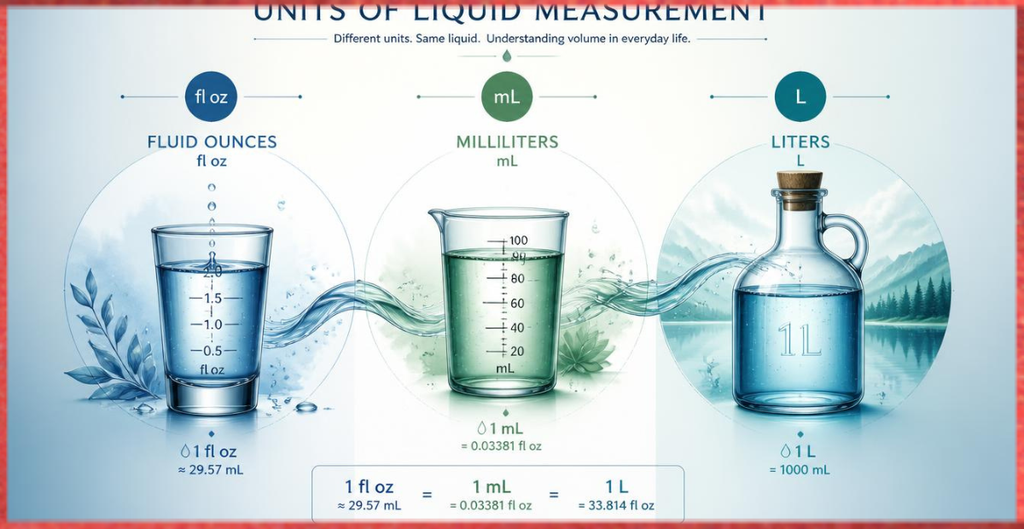
Sometimes a recipe doesn’t use cups or ounces at all. Instead, it gives measurements in milliliters (ml) or liters.
For example, a Legal cup = 240 ml, while a Metric cup = 250 ml. A commonly referenced US customary cup is about 236 ml.
That means the following values can all appear in legitimate measurement contexts:
- 240 ml cup legal cup
- 236 ml cup approximately one US customary cup
- 250 ml cup metric cup
- 284.13 ml cup UK cup
- 200 ml cup Japanese cup
This is why fluid ounce to milliliter conversion and cup conversion can sometimes look different depending on the measurement system.
If a recipe is written for an international audience, checking the original measurement system is a smart little habit.
Using the Converter for Recipes
Recipes are probably the most common reason people search for an oz to cups calculator. Cooking often requires measurements that don’t line up neatly with the measuring tools sitting in your drawer.
Imagine a recipe asks for 14 fl oz of broth, but your measuring cup only has cup markings. Divide 14 by 8:
14 ÷ 8 = 1.75 cups
Now you know you need one and three-quarter cups.
This becomes especially useful when scaling a recipe. If you’re doubling a pancake recipe, for example, you may suddenly need 16 fl oz of milk instead of 8. That’s simply 2 cups.
The converter can also help when reading recipes from different websites or countries, where measurements aren’t always presented in the same format.
Why Accurate Liquid Measurement Matters
Cooking measurements aren’t merely decorative numbers printed beside ingredients. They can influence texture, consistency and cooking time.
Too much liquid in pancake batter can make it thin and difficult to cook properly. Too little liquid can make the batter thick and heavy. Sauces, soups, bread mixtures and desserts can all react differently when measurements drift.
That’s why a measurement converter is useful when you don’t have the exact measuring tool available.
It also helps reduce guesswork. And honestly, “I’ll just pour about this much” is a fun strategy only until you’re trying to recreate the same recipe later.
When You Should Use Milliliters Instead
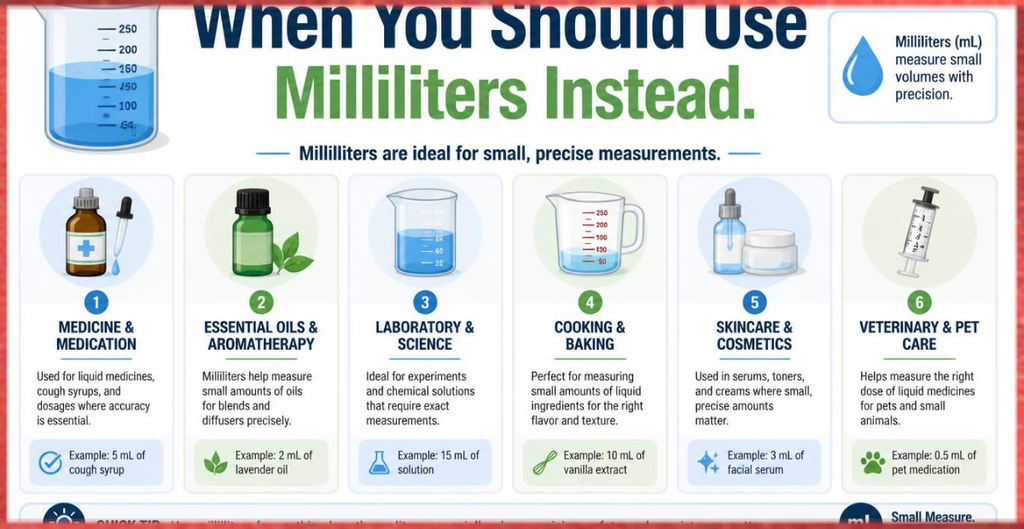
There are times when milliliters are more convenient than cups. If you have a measuring jug marked in ml, converting everything to milliliters can make the process simpler, especially with international recipes.
For example, if a recipe specifies 500 ml and you start converting it into cups, you’re adding another step that may not be needed.
A good cooking converter should therefore let you work between several units, including fluid ounces, cups and milliliters. The best measurement is often the one that matches the measuring tool already sitting on your kitchen counter.
Liquid Pint and Imperial Pint: Another Common Confusion
Pints can create another layer of measurement confusion. A US liquid pint is different from an Imperial pint.
A US liquid pint contains 16 US fluid ounces, which equals 2 US customary cups. An Imperial pint is larger, containing 20 Imperial fluid ounces.
So if a recipe says “one pint,” don’t automatically convert it using a random online number. Check which measurement system the recipe uses first.
It sounds like a tiny detail, but these small differences can matter when accuracy is important.
fl oz to Cups Conversion for Food Labeling and Serving Sizes
Conversions are not only useful in recipes. They can also help when interpreting food labeling and serving sizes.
A package may list a liquid serving in fluid ounces while another source describes a serving in cups or milliliters. Knowing that 8 US fl oz corresponds to 1 US customary cup gives you a quick reference point.
Still, packaged foods can use legally defined serving conventions, so labels should be read according to the measurement system specified on the package rather than assuming every cup has identical volume.
Common Mistakes When Converting fl oz to Cups
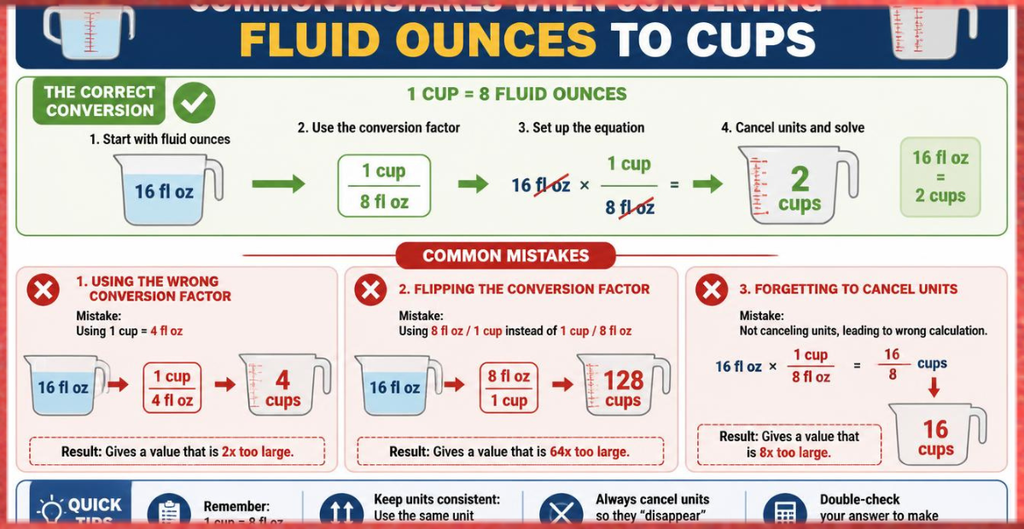
One of the biggest mistakes is confusing fluid ounces with ounces of weight. They’re related to different measurement concepts, and the number cannot always be transferred directly from one system to another.
Another mistake is assuming that every international cup equals the US cup. As we’ve seen, the Metric cup, UK cup, Japanese cup, and other cup definitions differ.
A third mistake is forgetting which direction you’re converting. For oz to cup, divide by 8. For cup to oz, multiply by 8.
And finally, rounding too early can introduce small errors. If you’re scaling a large recipe, keeping a few decimal places until the final measurement can be more accurate.
A Simple Way to Remember the Formula
Here’s the whole thing in its smallest possible package:
8 fl oz = 1 cup
To convert fluid ounces to cups:
Divide fluid ounces by 8.
To convert cups to fluid ounces:
Multiply cups by 8.
That’s the heart of the liquid measurement conversion.
If you have 40 fl oz, divide by 8:
40 ÷ 8 = 5 cups
If you have 3 cups, multiply by 8:
3 × 8 = 24 fl oz
Once that pattern sticks, you probably won’t need to look it up again.
When a Conversion Calculator Is Better Than Mental Math
For simple values like 8, 16 or 24 fl oz, mental math is easy enough. But when you’re dealing with 13.5 fl oz, 27.25 fl oz or several recipe ingredients at once, an online cup conversion calculator can be faster and reduce mistakes.
This is particularly helpful when scaling recipes for a large group. A tiny arithmetic error repeated across five or six ingredients can change the final result quite a bit.
A cooking calculator or measurement converter is also useful for people who regularly switch between US customary and metric measurements. You get the answer quickly, and there’s less chance of accidentally dividing when you meant to multiply.
How to Choose the Right Measurement System
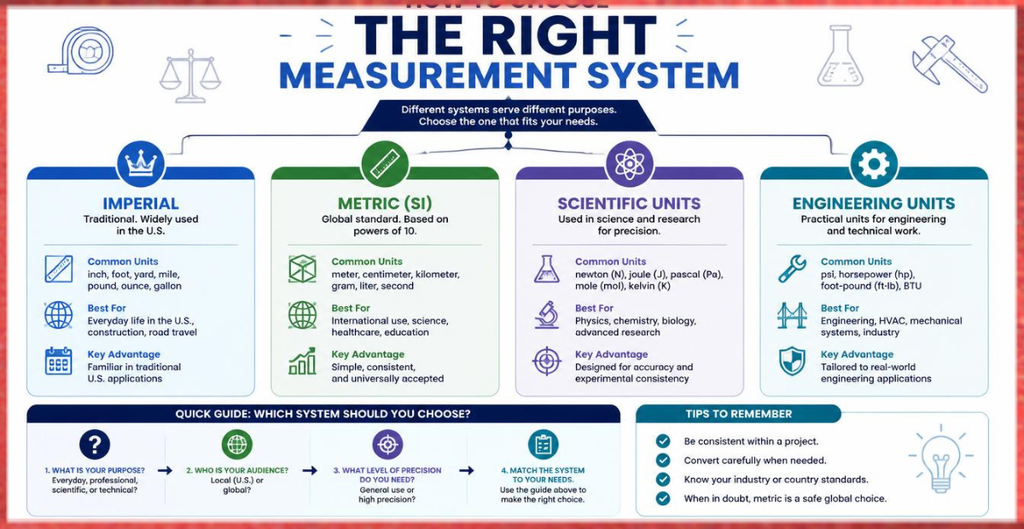
Before converting anything, identify the measurement system used by your recipe.
If it is a typical US recipe, 8 fluid ounces = 1 US customary cup is usually the appropriate starting point. If the recipe is from another country, check whether it uses a metric cup, UK measurement, Japanese cup or another standard.
For professional cooking, baking, commercial food preparation or detailed nutritional work, the distinction becomes even more important.
At home, meanwhile, consistency is often the biggest win. If you know which cup you’re using and stick to the same system throughout the recipe, you’re already avoiding a lot of unnecessary confusion.
Frequently Asked Question
oz to cups
To convert oz to cups, divide the fluid ounces by 8. For example, 16 oz equals 2 cups.
ounces to cups
For ounces to cups, use the standard liquid conversion of 8 fluid ounces per cup. Simply divide the number of ounces by 8.
oz to cup
When converting oz to cup, remember that 8 fluid ounces make 1 US customary cup.
how many oz are in a cup
There are 8 fluid ounces in 1 US customary cup. This is the standard conversion used for most US liquid recipes.
ounce to cup
To convert an ounce to cup, divide the fluid-ounce amount by 8. For example, 4 fl oz equals 0.5 cup.
Read this blog https://avenzum.com/how-many-pizzas-for-15-people/
Final Thoughts on fl oz to Cups Conversion
Learning how to convert fl oz to cups doesn’t require complicated mathematics. The basic US relationship is simple: 1 cup = 8 fl oz, so you divide fluid ounces by 8 to find the cup equivalent.
The useful part is knowing when that simple rule applies and when it doesn’t. Customary cups, Legal cups, Metric cups, UK cups, and Japanese cups can have different volumes, so international recipes deserve a quick check before you start pouring.
For everyday cooking, though, the formula is wonderfully straightforward. Need 6 oz to cups? That’s 0.75 cup. Need 16 oz to cups? That’s 2 cups. Need 2.5 cups to oz? Multiply by 8 and get 20 fl oz.
Once you understand the pattern, an fl oz to cups converter becomes less of a mysterious calculator and more like a quiet kitchen helper sitting there whenever you need it.
And perhaps that’s the nicest thing about good measurement tools: they don’t make cooking feel more complicated. They make the little confusing bits disappear, so you can get back to the part that actually matters making something delicious, sharing it with people, and maybe pretending you measured everything perfectly the first time.