The first time someone holds a cold can of Monster Energy Drink, it looks like a simple object. A little cylinder of aluminum, a splash of bold graphics, a pull tab waiting for that tiny click.
But hidden inside that everyday drink container is a surprising universe of measurements, engineering decisions, human habits, and marketing psychology.
A can is never “just a can.” It is a small piece of industrial storytelling that travels from a factory floor to a refrigerator, from a convenience store shelf to a person’s hand during a long night, workout, road trip, or busy morning.
Many people ask, “What size is a Monster Energy can?” because they want to compare it with other beverages, fit it into a cooler, understand serving sizes, or simply know what they are buying.
The answer is more interesting than a single number. The Monster can size family includes several formats designed for different markets and drinking experiences.
Some cans are compact, some are tall and dramatic, and some feel almost like a portable fuel tank for humans chasing a little extra energy.
A parent once described beverage cans in a very funny way: “The can is the handshake before you even taste the drink.” That sentence sticks because packaging creates expectations before the first sip.
The shape, weight, and cold feeling of a can all whisper something about the product inside. A premium can feels different from a basic one, even before the flavor reaches your tongue.
| Monster Can Type | Volume | Height | Diameter | Best Use |
|---|---|---|---|---|
| Mini Can | 6.75 oz / 200 ml | 5 7/16 in | 2.0 in | Sample or single serving |
| Slim Can | 8.4 oz / 250 ml | 6 3/8 in | 2.1 in | Light, easy to grip |
| Standard Can | 12 oz / 355 ml | ~4.8 in | ~2.6 in | Standard soft drinks |
| Monster Standard | 16 oz / 473 ml | 7 1/16 in | 2.6 in | Most common Monster size |
| Tall Boy | 24 oz / 709 ml | 7 10/16 in | 2.7–3.0 in | Extra-large serving |
Understanding the World of Monster Can Size and Beverage Packaging
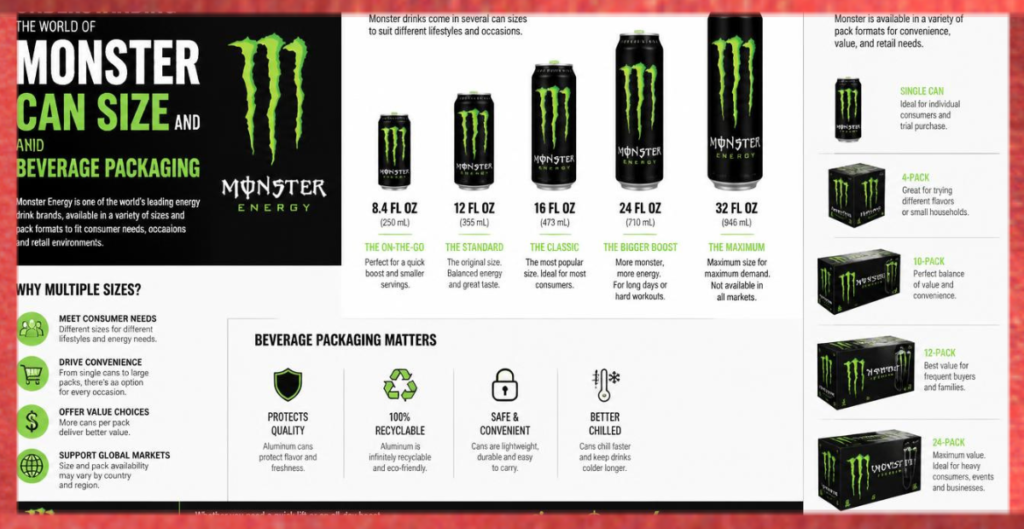
The modern beverage can is a result of decades of packaging engineering, material science, and consumer research. Companies design cans not only to hold liquid but also to protect flavor, maintain carbonation, survive transportation, and look attractive on crowded shelves.
The Monster can dimensions vary depending on region and product version. Common sizes include:
- 6.75 oz / 200 ml mini formats designed for smaller servings and compact storage.
- 8 oz / 236 ml cans that provide a lighter beverage option.
- 8.4 oz / 250 ml formats commonly seen in smaller energy drink packaging.
- 12 oz / 355 ml standard formats familiar to many soft drink consumers.
- 16 oz / 473 ml larger servings often recognized as a popular energy drink can size.
- 24 oz / 709 ml oversized formats sometimes called large cans or extra tall formats.
Each size has a purpose. The small can may fit better in a vending machine or lunch cooler, while a tall boy can creates a stronger visual impact on a store shelf.
A standard can feels familiar, while a slim can creates a more modern, stylish impression. Weirdly enough, the shape of a cylinder can influence what people expect before drinking.
The Monster Energy can size is often associated with larger servings compared with many traditional soda products. The reason is partly practical: energy drink consumers may prefer a longer drinking experience.
The larger capacity also supports brand identity, where bigger packaging can communicate strength and intensity.
Monster Can Dimensions: The Measurements Behind the Metal
When discussing monster can dimensions in inches, several measurements matter: height, diameter, width, and volume. These measurements determine how the can fits into production systems, storage spaces, and human hands.
A typical larger energy drink format may have measurements around:
- 6 3/8 inches in height for some common cans.
- 7 1/16 inches and 7 10/16 inches heights for taller versions.
- Around 2 inches, 2.1 inches, 2.5 inches, 2.6 inches, 2.7 inches, or 3 inches in diameter depending on the design.
Exact dimensions change because manufacturers adjust designs for different capacities, machines, and markets. The monster can width in inches is not just about appearance.
Width affects grip, refrigerator storage, and how easily someone can hold the beverage while driving, working, or exercising.
People rarely think about the monster can height or monster can diameter while drinking, but engineers spend a huge amount of time studying these details.
A can that is too wide may feel awkward. A can that is too narrow might feel less substantial. Somewhere between those extremes is the sweet spot.
In metric systems, manufacturers often discuss monster can dimensions in mm. Measurements such as:
- 206 mm
- 209 mm
- 202 mm
- 200 mm
may appear in packaging specifications depending on the product format.
The fascinating part is that these tiny measurement changes can influence the entire supply chain. A few millimeters can affect stacking, shipping costs, and shelf arrangement. Small numbers, big consequences. That’s kinda amazing when you think about it.
The Hidden Engineering Inside an Aluminum Can
A beverage can looks simple because excellent engineering hides complexity. The aluminum can used for many beverages is lightweight, durable, and recyclable. The journey begins with aluminum production and continues through shaping, coating, printing, filling, and sealing.
Many cans use recycled aluminum, which supports sustainable packaging goals. Some products may involve other materials such as steel, tin-plated steel, or specialized metal combinations depending on design requirements.
The main parts of a can include:
- The can body, which stores the beverage.
- The lid, which seals the container.
- The pull tab, which allows easy opening.
- The rim, which creates a smooth drinking surface.
- The can opening, designed for controlled flow.
Behind these simple parts are advanced processes involving can manufacturing, industrial design, and product engineering. The metal must be strong enough to hold pressure from carbonation while remaining light enough for efficient transportation.
The beverage industry constantly works on improving material efficiency. Using less metal while maintaining strength reduces costs and environmental impact. Modern aluminum packaging is a good example of how engineering can make everyday objects smarter.
Comparing Monster Can Size With Other Beverage Formats
A can size comparison becomes more interesting when looking beyond energy drinks. Different beverages have developed their own traditional shapes and capacities.
A soft drink or carbonated soft drink often uses familiar sizes such as 12 oz / 355 ml cans. Meanwhile, beer companies frequently use:
- Beer cans around common serving sizes.
- Craft beer formats with unique designs.
- Tall boy beer cans that offer larger capacity.
Other beverages also use specialized packaging:
- Fruit juice cans and containers often focus on freshness.
- Functional drinks emphasize health-related branding.
- Ready-to-drink coffee uses packaging designed for convenience.
- Tea and herbal tea beverages often use calming visual designs.
- Nutritional supplement drinks may use compact packaging.
- Energy shots usually come in very small containers.
Brands like Red Bull and White Claw demonstrate how beverage companies use packaging shape to create recognition. A consumer can often identify a product from across a store because of its unique silhouette and colors.
Even companies such as Mozydash and Nexovates represent the broader trend of beverage branding where packaging plays a major role in product identity. The container becomes part of the message, not only a protective shell.
How Can Design Changes Consumer Experience?
The relationship between humans and cans is surprisingly emotional. The grip, hand feel, and drinking experience all influence how people perceive a beverage.
A well-designed can provides:
- Comfortable handling.
- Easy opening.
- Balanced weight.
- Pleasant drinking comfort.
- Strong shelf appeal.
This is where beverage ergonomics meets consumer psychology. A cold can with a smooth surface creates a different feeling than a poorly designed container. The user experience starts before the beverage touches the mouth.
Packaging aesthetics also influence brand perception. Bright colors, metallic finishes, and unique shapes can communicate energy, luxury, simplicity, or tradition. This is why premium can design has become an important part of modern beverage marketing.
The psychology is pretty wild. A person may believe a drink feels stronger because the package looks powerful. The brain makes connections quickly, sometimes faster than we realize.
Manufacturing, Storage, and Transportation: The Journey of a Can
A can’s life does not end after production. The beverage must move through a complex network involving packaging logistics, warehouses, trucks, retailers, and consumers.
Efficient cans help improve:
- Stackability during storage.
- Transportation efficiency during shipping.
- Truckload optimization to reduce wasted space.
- Cooler storage in stores.
- Vending machine compatibility.
A can designed for perfect shelf appearance but poor transportation would create problems. Beverage companies balance beauty with practicality.
Retail stores carefully consider refrigerator storage, convenience store display, and available shelf space. A taller can may attract attention but must still fit standard coolers. Packaging decisions are like a giant puzzle where every piece matters.
The beverage manufacturing process is a mixture of creativity and mathematics. Designers think about appearance, engineers think about structure, and logistics teams think about movement. All these people are quietly working behind the can sitting in your hand.
Sustainability and the Future of Beverage Can Technology
The future of beverage packaging is closely connected with sustainability. Consumers increasingly want recyclable options and companies are exploring improvements in materials and production.
Important areas include:
- More recycled aluminum usage.
- Improved recycling systems.
- Lightweight packaging methods.
- Reduced manufacturing waste.
- Better preservation technology.
A recyclable can can have another life after its first use. The same aluminum material may return through recycling systems and become part of another product later. That circular journey is one of the most interesting parts of modern packaging innovation.
The industry is also exploring ways to improve carbonation retention, product preservation, and manufacturing efficiency. The humble can continues to evolve.
How to Choose the Right Monster Can Size for Your Needs
Choosing a can size depends on your situation. Someone heading on a long trip may prefer a larger capacity, while someone wanting a smaller serving might choose a mini format.
Think about:
- Storage space.
- Drinking habits.
- Cooler size.
- Desired volume.
- Personal preference.
A 16 oz Monster can dimensions format is popular because it offers a balance between portability and capacity. A 24 oz can dimensions format provides a much larger serving but requires more storage room.
Understanding beverage can sizes chart information helps consumers make smarter choices. It also helps businesses plan displays, transportation, and inventory.
The next time you hold a can, notice the details. The curve of the body, the opening, the weight, even the sound when the tab clicks. There is a whole world hiding there.
Final Thoughts: The Small Cylinder With a Big Story
The story of the Monster can size is not only about ounces, milliliters, inches, or millimeters. It is about the connection between engineering and everyday life. A simple container represents industrial creativity, consumer behavior, sustainable thinking, and brand storytelling.
From mini beverage cans to tall boy cans, from aluminum designs to recycled materials, every measurement carries a purpose. The monster can measurements, monster energy can dimensions, and packaging choices reveal how much thought goes into something most people barely notice.
If you are curious about writing a custom review, product description, or comparison, focus on the details people actually experience. Mention the grip, the storage, the appearance, and the feeling of using the product. Those small observations make information feel alive.
Share your own favorite beverage packaging experience or the can design you think is unforgettable. Sometimes the smallest objects carry the biggest stories, and a simple drink container can tell us a surprising amount about creativity, technology, and the way people enjoy everyday moments.
A parent once described beverage cans in a very funny way: “The can is the handshake before you even taste the drink.” That sentence sticks because packaging creates expectations before the first sip.
The shape, weight, and cold feeling of a can all whisper something about the product inside. A premium can feels different from a basic one, even before the flavor reaches your tongue.
Understanding the World of Monster Can Size and Beverage Packaging
The modern beverage can is a result of decades of packaging engineering, material science, and consumer research. Companies design cans not only to hold liquid but also to protect flavor, maintain carbonation, survive transportation, and look attractive on crowded shelves.
The Monster can dimensions vary depending on region and product version. Common sizes include:
- 6.75 oz / 200 ml mini formats designed for smaller servings and compact storage.
- 8 oz / 236 ml cans that provide a lighter beverage option.
- 8.4 oz / 250 ml formats commonly seen in smaller energy drink packaging.
- 12 oz / 355 ml standard formats familiar to many soft drink consumers.
- 16 oz / 473 ml larger servings often recognized as a popular energy drink can size.
- 24 oz / 709 ml oversized formats sometimes called large cans or extra tall formats.
Each size has a purpose. The small can may fit better in a vending machine or lunch cooler, while a tall boy can creates a stronger visual impact on a store shelf.
A standard can feels familiar, while a slim can creates a more modern, stylish impression. Weirdly enough, the shape of a cylinder can influence what people expect before drinking.
The Monster Energy can size is often associated with larger servings compared with many traditional soda products. The reason is partly practical: energy drink consumers may prefer a longer drinking experience. The larger capacity also supports brand identity, where bigger packaging can communicate strength and intensity.
Monster Can Dimensions: The Measurements Behind the Metal
When discussing monster can dimensions in inches, several measurements matter: height, diameter, width, and volume. These measurements determine how the can fits into production systems, storage spaces, and human hands.
A typical larger energy drink format may have measurements around:
- 6 3/8 inches in height for some common cans.
- 7 1/16 inches and 7 10/16 inches heights for taller versions.
- Around 2 inches, 2.1 inches, 2.5 inches, 2.6 inches, 2.7 inches, or 3 inches in diameter depending on the design.
Exact dimensions change because manufacturers adjust designs for different capacities, machines, and markets. The monster can width in inches is not just about appearance. Width affects grip, refrigerator storage, and how easily someone can hold the beverage while driving, working, or exercising.
People rarely think about the monster can height or monster can diameter while drinking, but engineers spend a huge amount of time studying these details.
A can that is too wide may feel awkward. A can that is too narrow might feel less substantial. Somewhere between those extremes is the sweet spot.
In metric systems, manufacturers often discuss monster can dimensions in mm. Measurements such as:
- 206 mm
- 209 mm
- 202 mm
- 200 mm
may appear in packaging specifications depending on the product format.
The fascinating part is that these tiny measurement changes can influence the entire supply chain. A few millimeters can affect stacking, shipping costs, and shelf arrangement. Small numbers, big consequences. That’s kinda amazing when you think about it.
The Hidden Engineering Inside an Aluminum Can
A beverage can looks simple because excellent engineering hides complexity. The aluminum can used for many beverages is lightweight, durable, and recyclable. The journey begins with aluminum production and continues through shaping, coating, printing, filling, and sealing.
Many cans use recycled aluminum, which supports sustainable packaging goals. Some products may involve other materials such as steel, tin-plated steel, or specialized metal combinations depending on design requirements.
The main parts of a can include:
- The can body, which stores the beverage.
- The lid, which seals the container.
- The pull tab, which allows easy opening.
- The rim, which creates a smooth drinking surface.
- The can opening, designed for controlled flow.
Behind these simple parts are advanced processes involving can manufacturing, industrial design, and product engineering. The metal must be strong enough to hold pressure from carbonation while remaining light enough for efficient transportation.
The beverage industry constantly works on improving material efficiency. Using less metal while maintaining strength reduces costs and environmental impact. Modern aluminum packaging is a good example of how engineering can make everyday objects smarter.
Comparing Monster Can Size With Other Beverage Formats
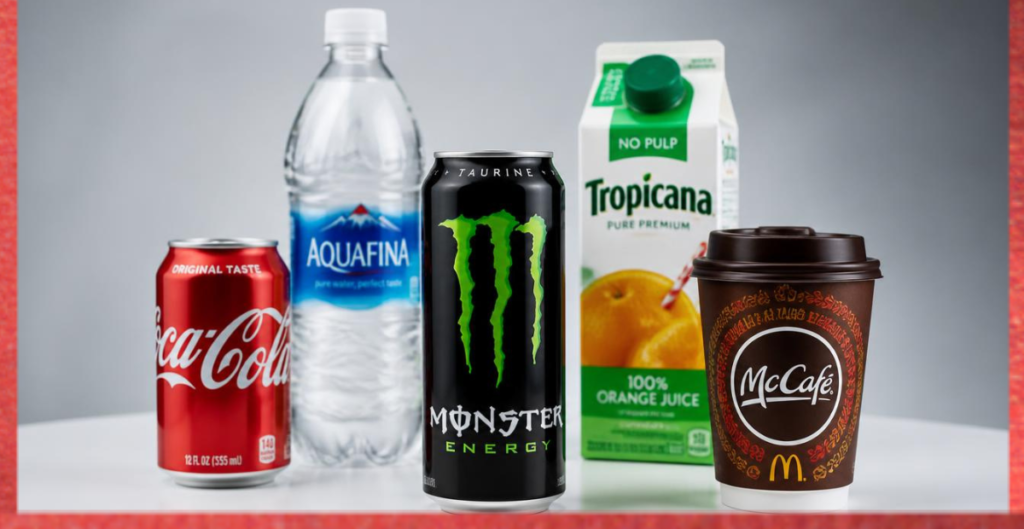
A can size comparison becomes more interesting when looking beyond energy drinks. Different beverages have developed their own traditional shapes and capacities.
A soft drink or carbonated soft drink often uses familiar sizes such as 12 oz / 355 ml cans. Meanwhile, beer companies frequently use:
- Beer cans around common serving sizes.
- Craft beer formats with unique designs.
- Tall boy beer cans that offer larger capacity.
Other beverages also use specialized packaging:
- Fruit juice cans and containers often focus on freshness.
- Functional drinks emphasize health-related branding.
- Ready-to-drink coffee uses packaging designed for convenience.
- Tea and herbal tea beverages often use calming visual designs.
- Nutritional supplement drinks may use compact packaging.
- Energy shots usually come in very small containers.
Brands like Red Bull and White Claw demonstrate how beverage companies use packaging shape to create recognition. A consumer can often identify a product from across a store because of its unique silhouette and colors.
Even companies such as Mozydash and Nexovates represent the broader trend of beverage branding where packaging plays a major role in product identity. The container becomes part of the message, not only a protective shell.
How Can Design Changes Consumer Experience?
The relationship between humans and cans is surprisingly emotional. The grip, hand feel, and drinking experience all influence how people perceive a beverage.
A well-designed can provides:
- Comfortable handling.
- Easy opening.
- Balanced weight.
- Pleasant drinking comfort.
- Strong shelf appeal.
This is where beverage ergonomics meets consumer psychology. A cold can with a smooth surface creates a different feeling than a poorly designed container. The user experience starts before the beverage touches the mouth.
Packaging aesthetics also influence brand perception. Bright colors, metallic finishes, and unique shapes can communicate energy, luxury, simplicity, or tradition. This is why premium can design has become an important part of modern beverage marketing.
The psychology is pretty wild. A person may believe a drink feels stronger because the package looks powerful. The brain makes connections quickly, sometimes faster than we realize.
Manufacturing, Storage, and Transportation: The Journey of a Can
A can’s life does not end after production. The beverage must move through a complex network involving packaging logistics, warehouses, trucks, retailers, and consumers.
Efficient cans help improve:
- Stackability during storage.
- Transportation efficiency during shipping.
- Truckload optimization to reduce wasted space.
- Cooler storage in stores.
- Vending machine compatibility.
A can designed for perfect shelf appearance but poor transportation would create problems. Beverage companies balance beauty with practicality.
Retail stores carefully consider refrigerator storage, convenience store display, and available shelf space. A taller can may attract attention but must still fit standard coolers. Packaging decisions are like a giant puzzle where every piece matters.
The beverage manufacturing process is a mixture of creativity and mathematics. Designers think about appearance, engineers think about structure, and logistics teams think about movement. All these people are quietly working behind the can sitting in your hand.
Sustainability and the Future of Beverage Can Technology
The future of beverage packaging is closely connected with sustainability. Consumers increasingly want recyclable options and companies are exploring improvements in materials and production.
Important areas include:
- More recycled aluminum usage.
- Improved recycling systems.
- Lightweight packaging methods.
- Reduced manufacturing waste.
- Better preservation technology.
A recyclable can can have another life after its first use. The same aluminum material may return through recycling systems and become part of another product later. That circular journey is one of the most interesting parts of modern packaging innovation.
The industry is also exploring ways to improve carbonation retention, product preservation, and manufacturing efficiency. The humble can continues to evolve.
How to Choose the Right Monster Can Size for Your Needs
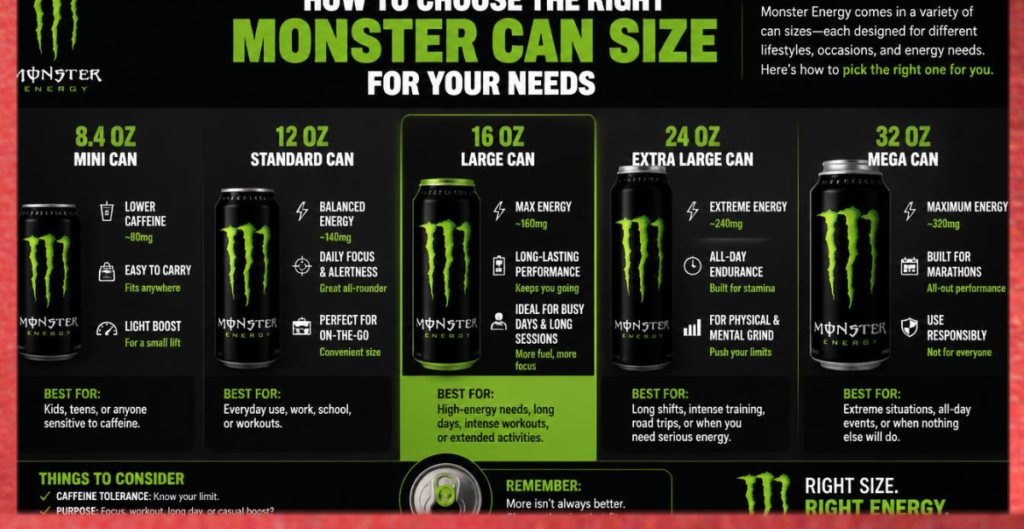
Choosing a can size depends on your situation. Someone heading on a long trip may prefer a larger capacity, while someone wanting a smaller serving might choose a mini format.
Think about:
- Storage space.
- Drinking habits.
- Cooler size.
- Desired volume.
- Personal preference.
A 16 oz Monster can dimensions format is popular because it offers a balance between portability and capacity. A 24 oz can dimensions format provides a much larger serving but requires more storage room.
Understanding beverage can sizes chart information helps consumers make smarter choices. It also helps businesses plan displays, transportation, and inventory.
The next time you hold a can, notice the details. The curve of the body, the opening, the weight, even the sound when the tab clicks. There is a whole world hiding there.
Frequently asked Quesion
height of monster can
The height of a standard Monster Energy can is approximately 7 1/16 inches (17.9 cm), making it taller than a typical 12 oz soda can.
monster can measurements
A standard 16 oz (473 ml) Monster can measures about 7 1/16 inches in height and 2.6 inches in diameter, offering a comfortable grip and larger capacity.
monster can size in inches
The standard Monster can size in inches is 7 1/16 inches tall with a 2.6-inch diameter, though smaller and larger versions are also available.
monster can inches
Most Monster Energy cans are around 7 inches tall and 2.6 inches wide, making them easy to recognize on store shelves.
monster can length inches
If you’re referring to the can’s length (height), a standard Monster can measures approximately 7 1/16 inches, while other sizes may vary slightly.
Read This Blog https://avenzum.com/6-inches-reference/
Final Thoughts: The Small Cylinder With a Big Story
The story of the Monster can size is not only about ounces, milliliters, inches, or millimeters. It is about the connection between engineering and everyday life. A simple container represents industrial creativity, consumer behavior, sustainable thinking, and brand storytelling.
From mini beverage cans to tall boy cans, from aluminum designs to recycled materials, every measurement carries a purpose. The monster can measurements, monster energy can dimensions, and packaging choices reveal how much thought goes into something most people barely notice.
If you are curious about writing a custom review, product description, or comparison, focus on the details people actually experience. Mention the grip, the storage, the appearance, and the feeling of using the product. Those small observations make information feel alive.
Share your own favorite beverage packaging experience or the can design you think is unforgettable. Sometimes the smallest objects carry the biggest stories, and a simple drink container can tell us a surprising amount about creativity, technology, and the way people enjoy everyday moments.